Hepatic artery infusion pump therapy, also known as hepatic arterial infusion (HAI) therapy, is a specialized form of chemotherapy used to treat liver cancer that has spread from the colon or rectum (colorectal cancer) or originated within the liver itself (primary liver cancer). This therapy delivers high doses of chemotherapy drugs directly to the liver via a surgically implanted pump system, targeting cancer cells more effectively while minimizing systemic side effects.
Here’s how hepatic artery infusion pump therapy typically works:
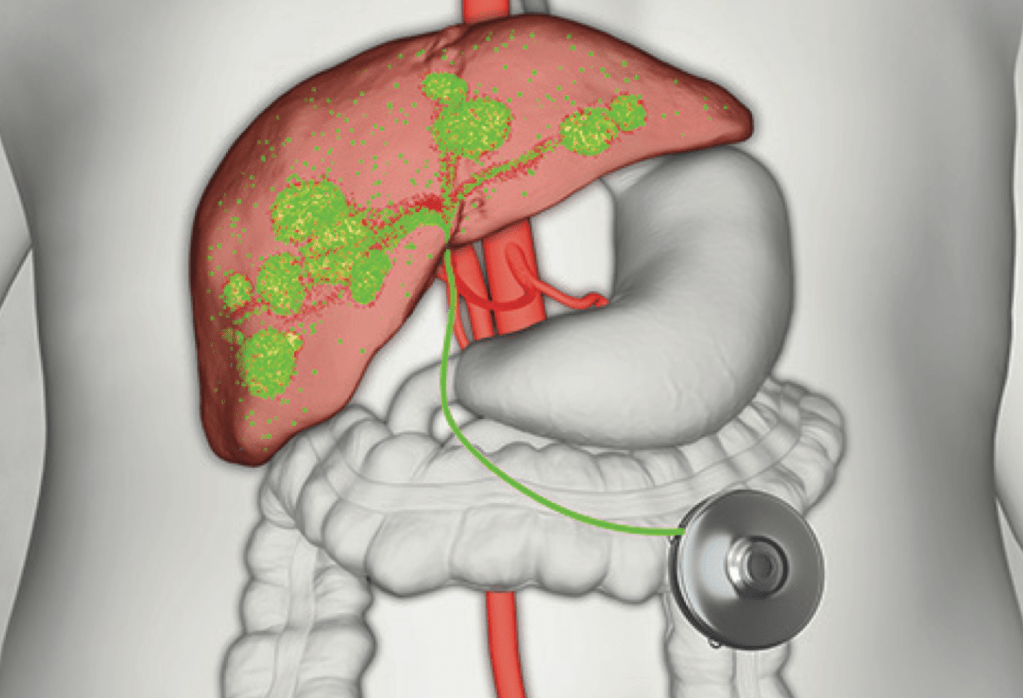
- Pump Implantation: A small pump is surgically implanted beneath the skin, usually in the abdomen. This pump is connected to the hepatic artery, which is the main blood vessel supplying the liver.
- Chemotherapy Delivery: A catheter (thin tube) is threaded from the pump into the hepatic artery. Chemotherapy drugs are then delivered directly into the hepatic artery, where they flow directly to the liver. Because the chemotherapy is delivered directly into the liver’s blood supply, higher doses can be used compared to systemic chemotherapy without increasing toxicity to the rest of the body.
- Continuous Infusion: The pump delivers chemotherapy continuously over a designated period, often for several weeks. After this period, the pump is typically refilled during an outpatient procedure.
- Monitoring and Adjustment: Patients undergoing HAI therapy require regular monitoring to assess treatment effectiveness and any potential side effects. The dosage and type of chemotherapy drugs delivered via the pump can be adjusted based on the patient’s response and tolerance.
HAI therapy offers several potential benefits:
- Increased Efficacy: By delivering chemotherapy directly to the liver, HAI therapy can effectively target cancer cells within the liver while minimizing exposure to healthy tissues.
- Reduced Systemic Side Effects: Because the chemotherapy drugs are delivered directly to the liver, systemic side effects such as nausea, vomiting, and hair loss may be reduced compared to traditional systemic chemotherapy.
- Improved Survival Rates: Some studies have shown that HAI therapy can lead to improved survival rates, particularly in patients with colorectal cancer that has metastasized to the liver.
However, HAI therapy also has potential risks and limitations:
- Surgical Risks: Implantation of the pump carries risks associated with surgery, including infection, bleeding, and complications related to anesthesia.
- Catheter-related Complications: There is a risk of catheter-related complications such as blockages or leaks, which may require additional interventions.
- Limited Applicability: HAI therapy is typically only recommended for patients with certain types of liver cancer, and not all patients are candidates for this treatment.
Overall, hepatic artery infusion pump therapy represents a targeted approach to treating liver cancer that can offer significant benefits for eligible patients, but it requires careful patient selection, specialized expertise, and ongoing monitoring to optimize outcomes and minimize risks.
 Jesse Sulzer MD PhD