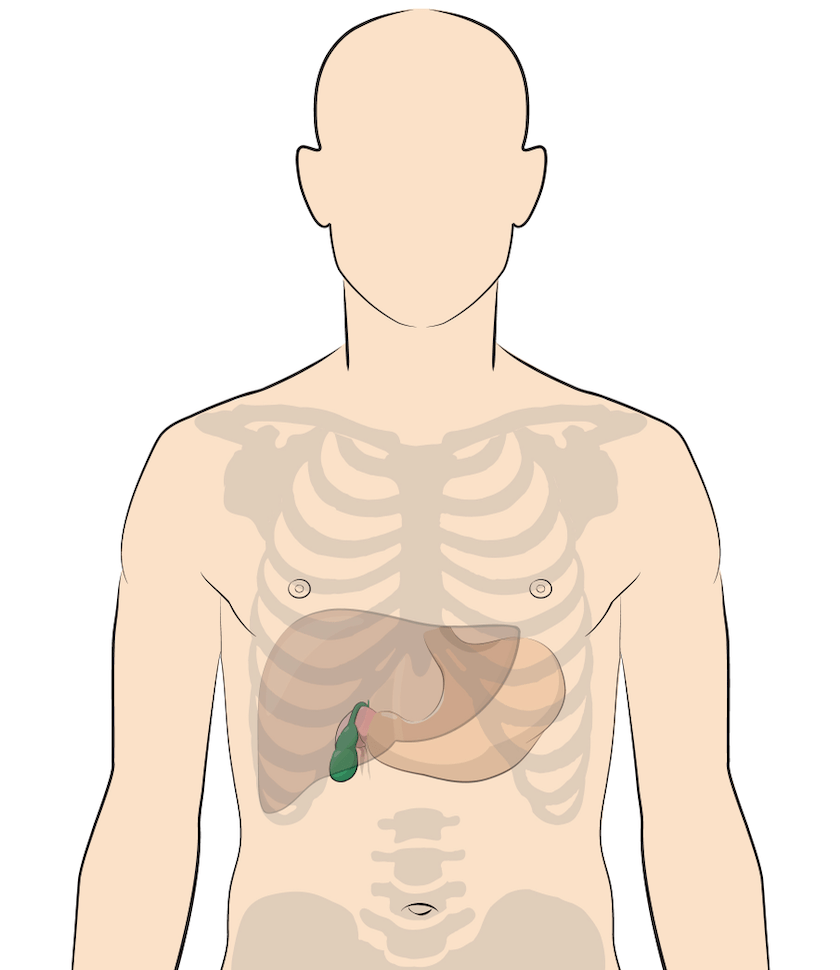
Liver masses can be identified incidentally on scans obtained for other reasons or after symptoms arise such as jaundice (yellowing of the eyes or skin) or pain. The vast majority of liver lesions identified will be benign, meaning are not cancer, and can include cysts, hemangiomas, adenomas and focal nodular hyperplasias. Telling the difference between these lesions can be difficult at times but of critical importance as management can vary greatly. Some masses will require no additional workup or follow-up. Others, such as adenomas, can pose a long-term cancer risk in certain circumstances and may need regular repeat imaging or even surgical treatment. Consultation with a liver specialist will help to make sure you have the correct diagnosis and proper management for the best outcome.
Cancer can also arise in liver. Liver cancers are broadly divided into two categories: cancers that start in the liver and those that have spread (metastasized) from other sites. Like benign liver lesions, treatment of liver cancers requires timely accurate diagnosis to ensure proper treatment for the best outcome. Liver cancer treatment often involves doctors from multiple specialties including surgery, medical oncology, gastroenterology, interventional radiology, and radiation oncology.
Removal of the diseased part of the liver, called a liver resection, is performed in certain circumstances. The potential role for surgery should be determined in consultation with your liver surgeon and often times is based on the recommendations of a multi-disciplinary group called a Tumor Board.
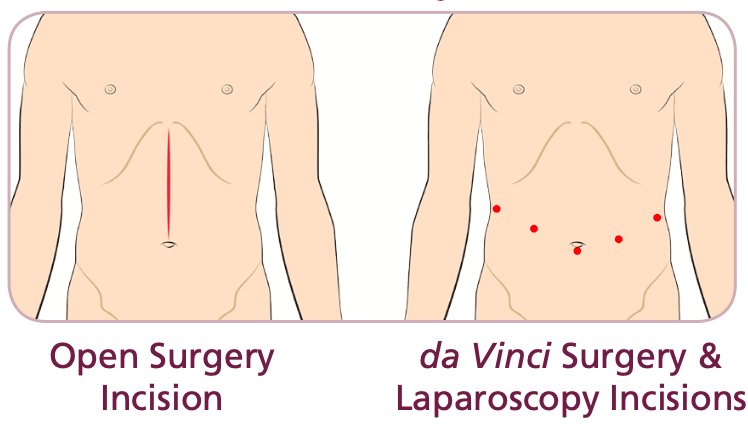
Mission Hospital and the surgeons at Mission Surgery are one of the few places in the state able to offer the full range of liver surgeries in a minimally invasive fashion utilizing the surgical robot. Being able to perform these complex surgeries robotically, or with small incisions, speeds recovery for the patient and has been associated with improved outcomes. Dr. Sulzer performs over 25 robotic liver resections per year and travels to teach these techniques to other surgeons.
 Jesse Sulzer MD PhD