Robotic surgery has gained popularity in various medical specialties due to several potential advantages over traditional open surgery or laparoscopic procedures. While the choice between robotic, laparoscopic, or open surgery depends on the specific case and the surgeon’s expertise, here are some reasons why robotic surgery may be considered advantageous in certain situations:
1. Precision and Dexterity:
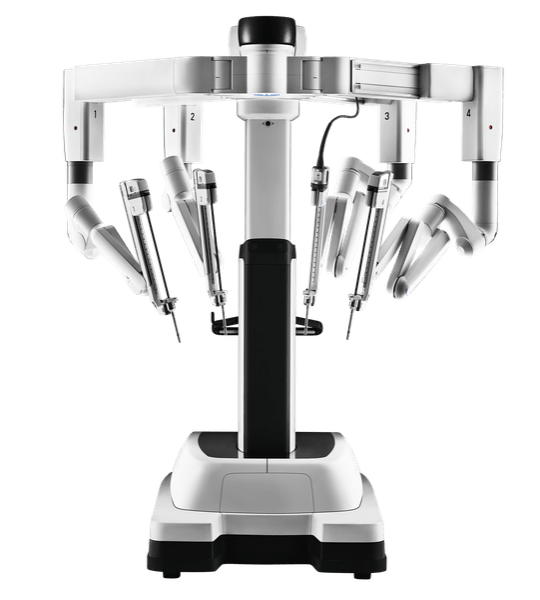
– Robotic surgical systems offer enhanced precision and dexterity compared to traditional laparoscopic instruments. The robotic arms can mimic the movements of the surgeon’s hands with greater flexibility, allowing for more precise maneuvers in tight or delicate spaces.
2. 3D Visualization:
– Robotic surgery provides a three-dimensional, high-definition view of the surgical field. This improved visualization helps surgeons better navigate complex anatomical structures and perform intricate procedures with greater accuracy.
3. Reduced Invasiveness:
– Robotic procedures are minimally invasive, involving smaller incisions than traditional open surgery. Smaller incisions generally result in less blood loss, reduced postoperative pain, and faster recovery times for patients.
4. Magnified View:
– The robotic system offers a highly magnified view of the surgical site, allowing surgeons to identify and work on small structures more effectively. This is particularly beneficial in surgeries involving intricate anatomical details.
5. Improved Ergonomics:
– Robotic surgery allows surgeons to operate from a console with ergonomic controls, minimizing fatigue during long procedures. The system filters out hand tremors, ensuring steady and precise movements.
6. Quicker Recovery Time:
– Patients undergoing robotic surgery often experience shorter hospital stays and quicker recovery times compared to open surgery. The reduced trauma to surrounding tissues contributes to a faster return to normal activities.
7. Reduced Blood Loss:
– The precision of robotic instruments and the ability to control blood vessels more effectively can lead to reduced blood loss during surgery, contributing to improved patient outcomes.
8. Less Scarring:
– Smaller incisions in robotic surgery result in less scarring compared to open procedures. This cosmetic benefit is particularly appreciated by patients.
9. Wider Range of Motion:
– Robotic arms can achieve a wider range of motion than traditional laparoscopic instruments, enabling surgeons to access challenging anatomical locations with greater ease.
It’s important to note that while robotic surgery offers numerous advantages, it may not be suitable for all cases, and the choice of surgical approach depends on factors such as the patient’s condition, the complexity of the procedure, and the surgeon’s expertise. Dr. Sulzer and his team at Mission Hospital have experience in the most complex and advanced procedures. Schedule a consultation to see if a minimally invasive surgery is right for you.
 Jesse Sulzer MD PhD